In August 2024, the annual Czech Film Week festival will take place. The festival will occur from August 21 and, as usual, will offer a cross-section of Czech cinematography from the 1950s to the present day. This year, compared to last year, the festival will expand to three more cinematheques across Israel. Viewers will be able to see the screenings not only in Tel Aviv, Jerusalem and Haifa, but also in Holon, Herzliya and Rosh Pina. The central theme of this year's selection is family. The selected films deal with how roles in the family change in modern times, the complexity of parent-child relationships, but also how totalitarian regimes intervene in family relationships.
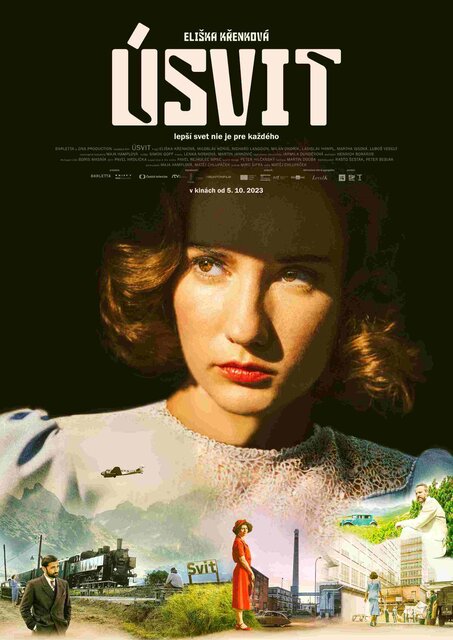
The main film of this year's festival is We have never been modern (2023). This mysterious detective story, set in the 1930s, is about the discovery of the corpse of a newborn baby on the premises of a factory. Although the secret police is brought in to solve the case, the only person trying to get to the bottom of this disturbing mystery is the pregnant wife of the factory's new director. The film takes place in the beautiful surroundings of the High Tatras in Slovakia.
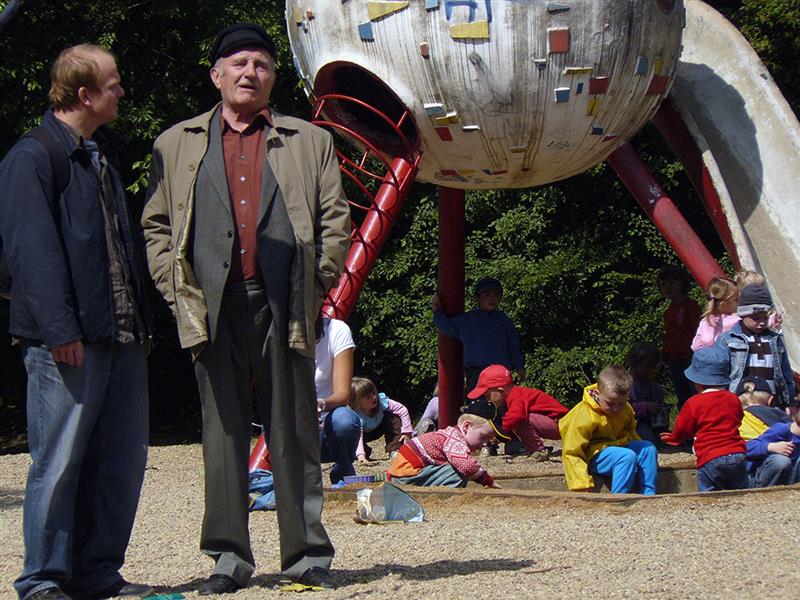
The next listed film is the conversational comedy On Parents and Children (2007). The plot of the film is banal at first glance: a middle-aged son goes for a walk with his aging father. Against the background of their brilliantly written dialogue unfolds not only forty years of their difficult coexistence, family grievances and humorous situations, but also the dramatic and often absurd history of the 20th century. The film was based on the book of the same name by the leading contemporary Czech writer Emil Hakl.
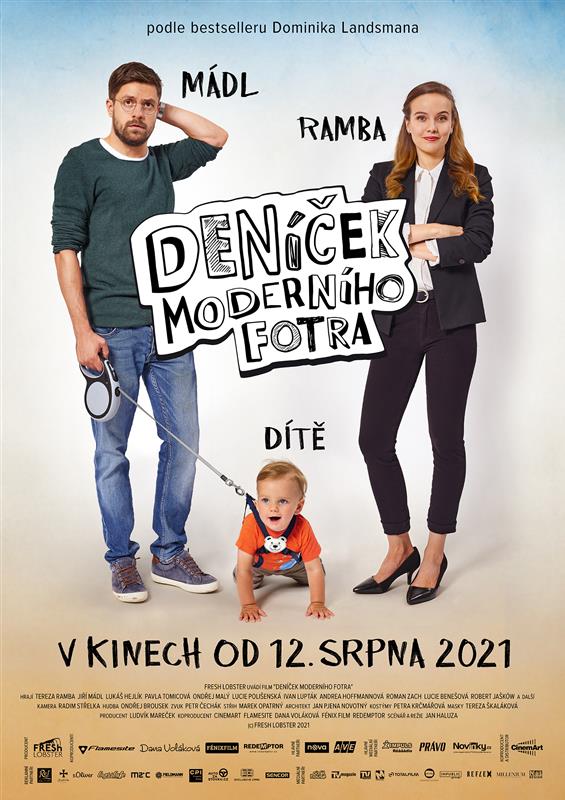
Diary of a Modern Father (2021) is a family comedy about the difficulties of a young husband who unexpectedly becomes a father on parental leave. After quickly sobering up from the initial naive idea that he will finally have time to write a long-planned book, the father understands that taking care of his newborn son will require his utmost effort and wit. However, it will also allow him to understand how strong the love between a parent and their offspring is.
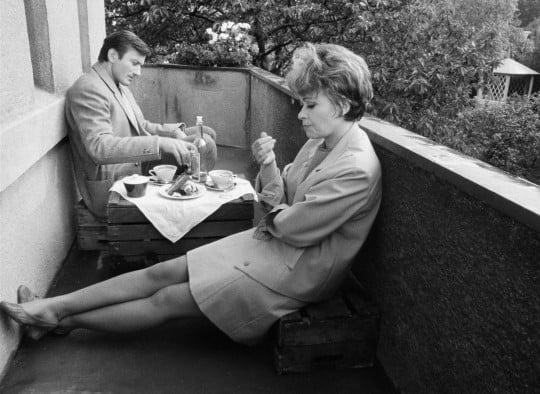
The above-mentioned films are complemented by the legendary drama from the 1960s, The Ear (1969). At the time of its creation, the film was not released for distribution due to communist censorship, and the Czech audience had the opportunity to see it for the first time only after the Velvet Revolution twenty years later. The story of this chamber drama is about a deputy minister who, upon returning from a social party, becomes increasingly convinced that his home is being eavesdropped by the secret police. He then discusses his prospects with his wife, analyzes what problematic things he could ever say, and falls into an ever-increasing dilemma.
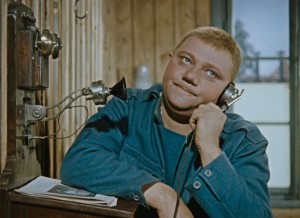
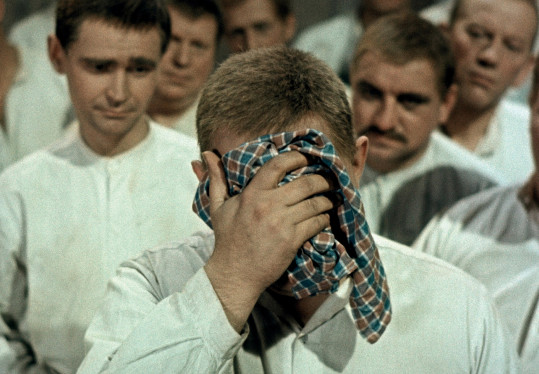
The last two films listed are both parts of the famous saga about the soldier Švejk. The first part, The Good Soldier Švejk (1956), was screened at the festival already last year. Given that many of our viewers subsequently approached us with the wish that we also show the sequel, we decided to include not only the second part, Beg to Report (1957), but also the first part this year. The audience will thus have the opportunity to watch both parts one after the other and enjoy the crazy adventures of Josef Švejk on his pilgrimage through the Austro-Hungarian army during the First World War.
Related events